FEATURES
LATEST
Forced Out of Their Own Land: Sinhala Colonisation in the Vanni
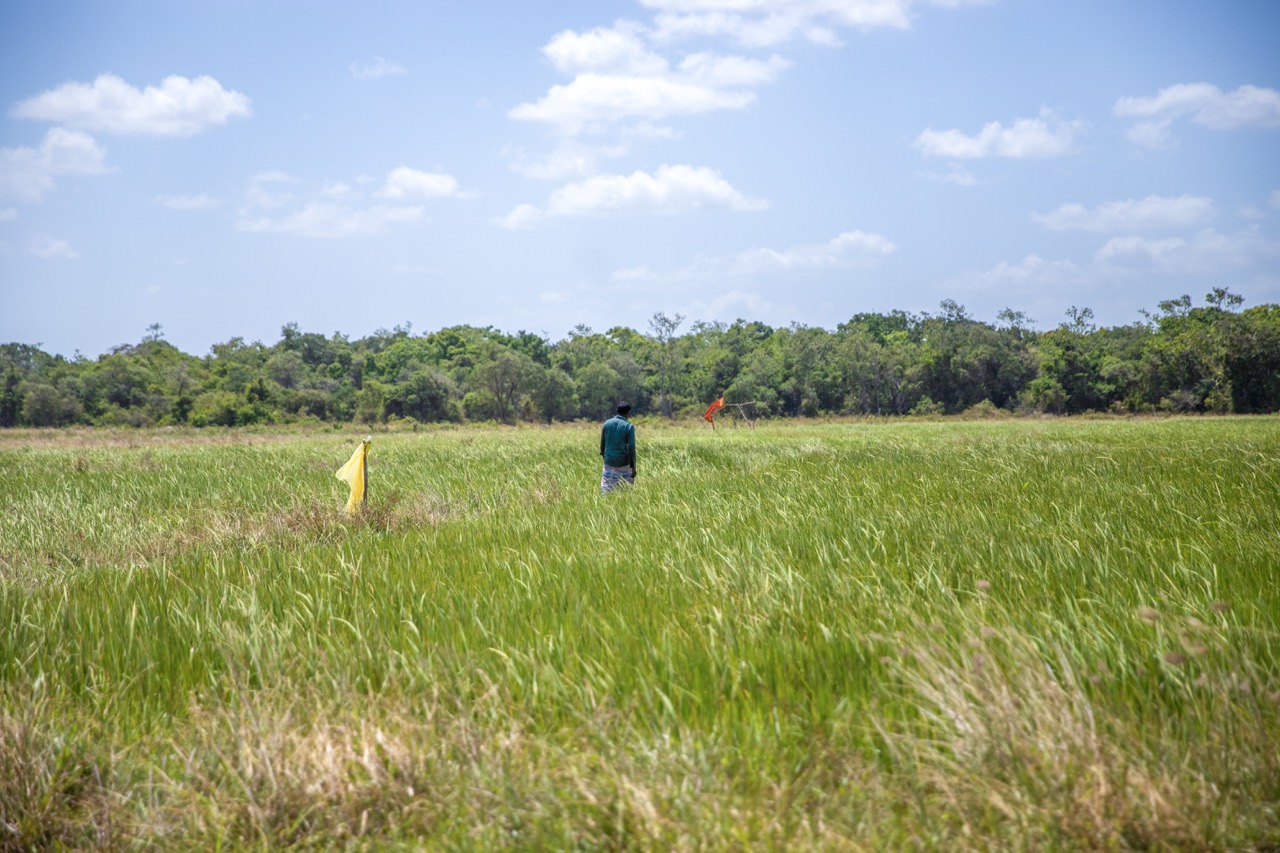
The Kivul Oya project exemplifies a decades-long pattern in which the Sri Lankan state uses irrigation and settlement schemes to dispossess Tamil communities in the North-East. Framed as development, the scheme follows earlier projects like Mahaweli System L, altering ethnic demographics, renaming Tamil landscapes in Sinhala, and displacing agricultural livelihoods while promising benefits that rarely reach the people whose land is taken.
The Other 1956: The Ignored National Struggle
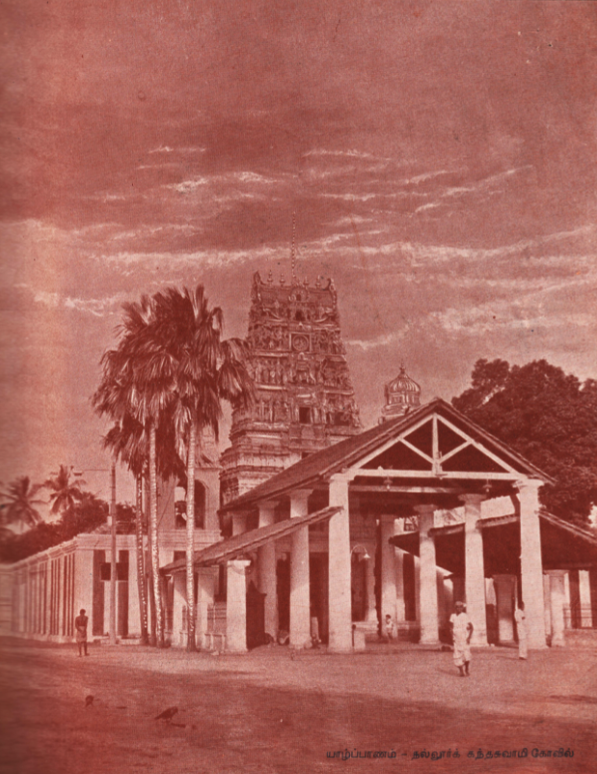
The anti-caste movement formed one of the earliest foundations of Tamil political resistance. Panchamar communities transformed struggles for temple entry, equal citizenship, and social dignity into mass movements that shaped Tamil nationalism, challenged caste hierarchy, and demanded liberation from both internal oppression and Sinhala-majoritarian domination.
Reviving Valikamam’s Forgotten River
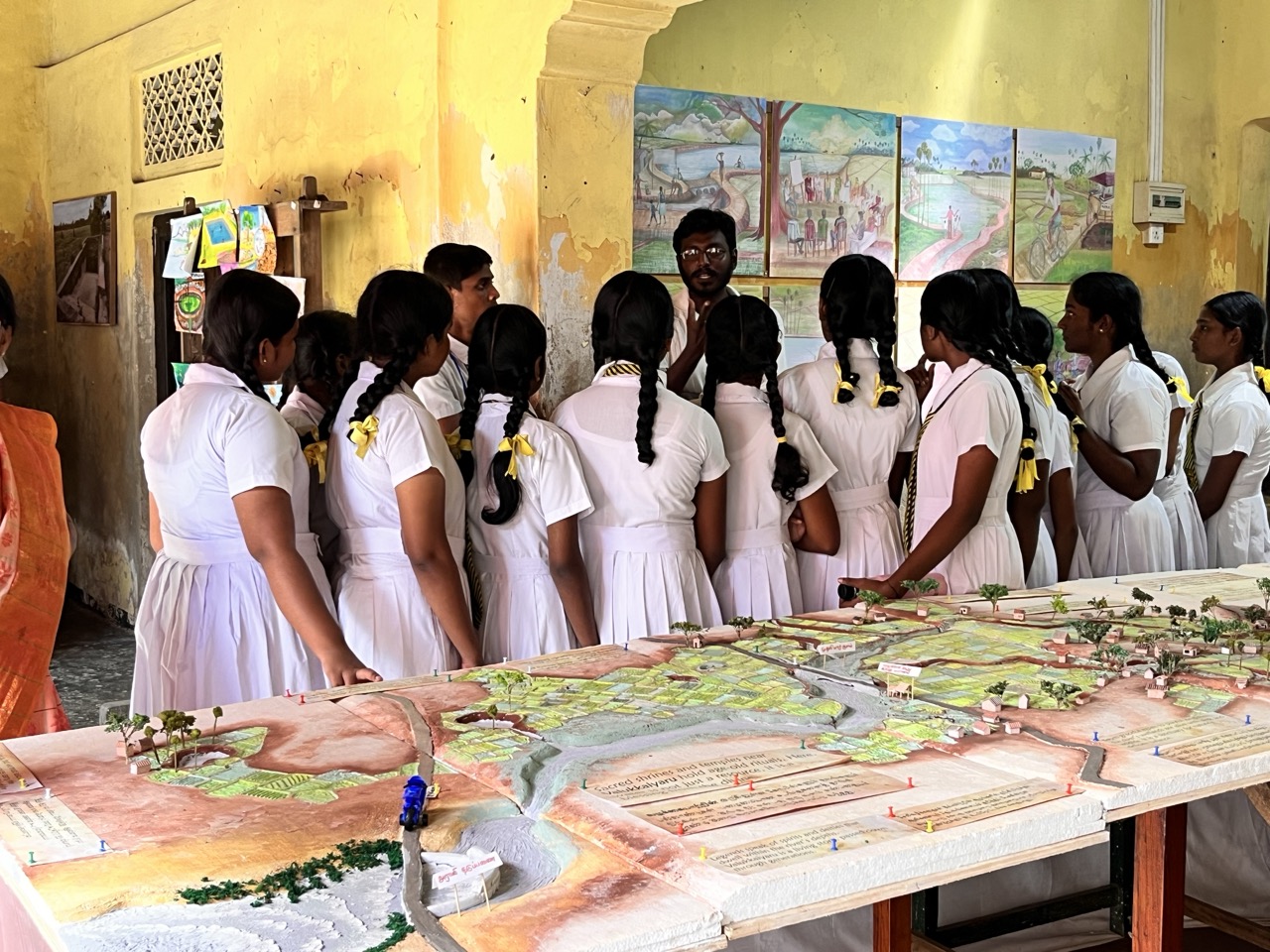
Vazhukkai Aaru, once central to water management and agriculture in Valikamam, has largely disappeared from both the landscape and public memory due to war, displacement, and unplanned development. As communal water practices give way to fragmented, individualised systems that strain groundwater and increase environmental vulnerability, this loss reflects a broader erosion of traditional economic knowledge.
MORE FEATURES
Refusal and Resistance: the Sri Lankan State’s Failure in Sivanagar, Kilinochchi
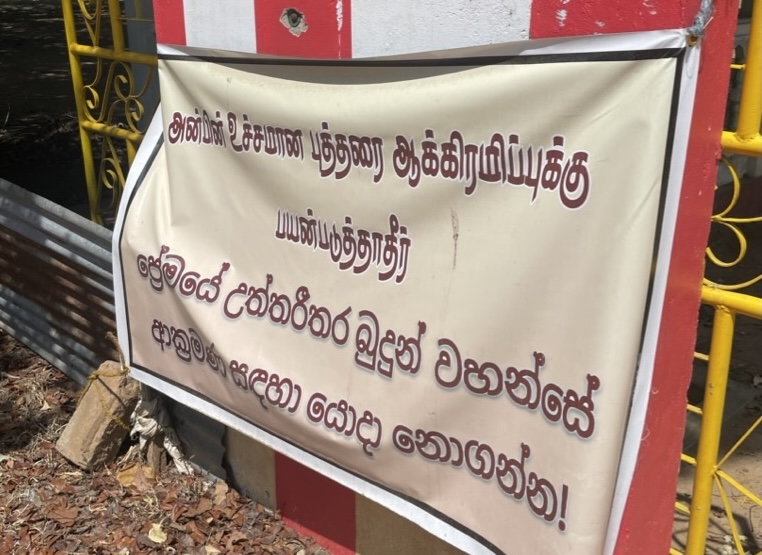
The Sri Lankan state’s attempt to construct a Buddhist vihara on the grounds of a historic temple in Sivanagar reflect broader strategies of militarisation, Buddhisisation, and demographic engineering in the Tamil North-East. It foregrounds forms of collective refusal by local residents, whose everyday acts of resistance have prevented the project from materialising despite persistent state pressure and surveillance.
Connectivity that Works for the Tamil Nation
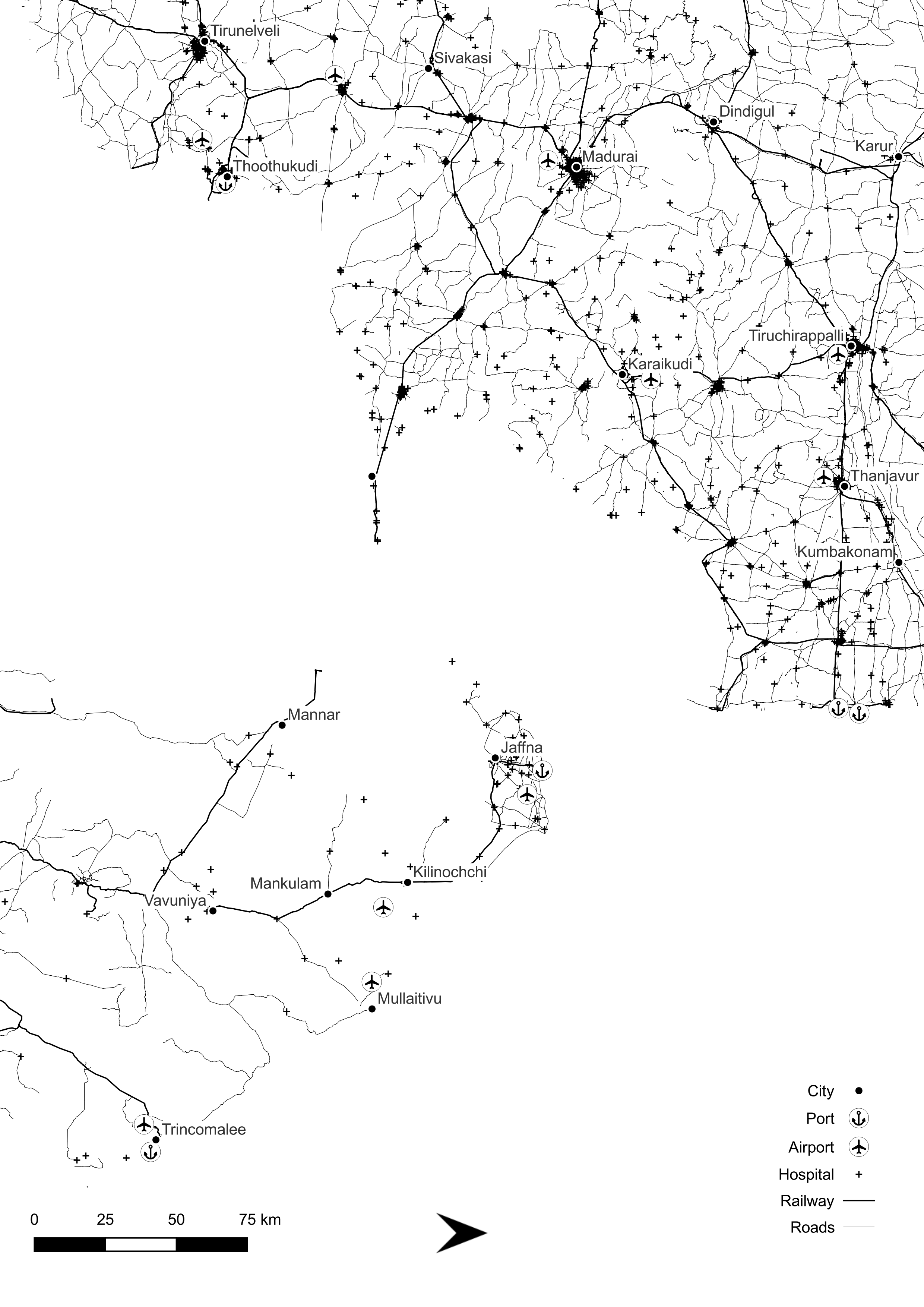
Among the injuries inflicted by the Sri Lankan state against the Eelam Tamils listed in the Vaddukoddai Resolution was the state “systematically cutting them off from main the stream of Tamil cultures in South India” as part of an effort “inexorably towards the cultural genocide of the Tamils.” Fifty years later, the challenge now is not the North-East being cut off from Tamil Nadu, but the need to bring them closer together.
Changing of the Guard
Fifty years after the Vaddukkoddai Resolution, the Sri Lankan state’s efforts to destroy Eelam Tamil nationalism have failed. Since the end of the war in 2009, everyday Tamils have taken over from the stagnant institutions that positioned themselves as successors to the armed resistance. Today, the people lead a thriving resistance that takes on cultural, social and political forms.